
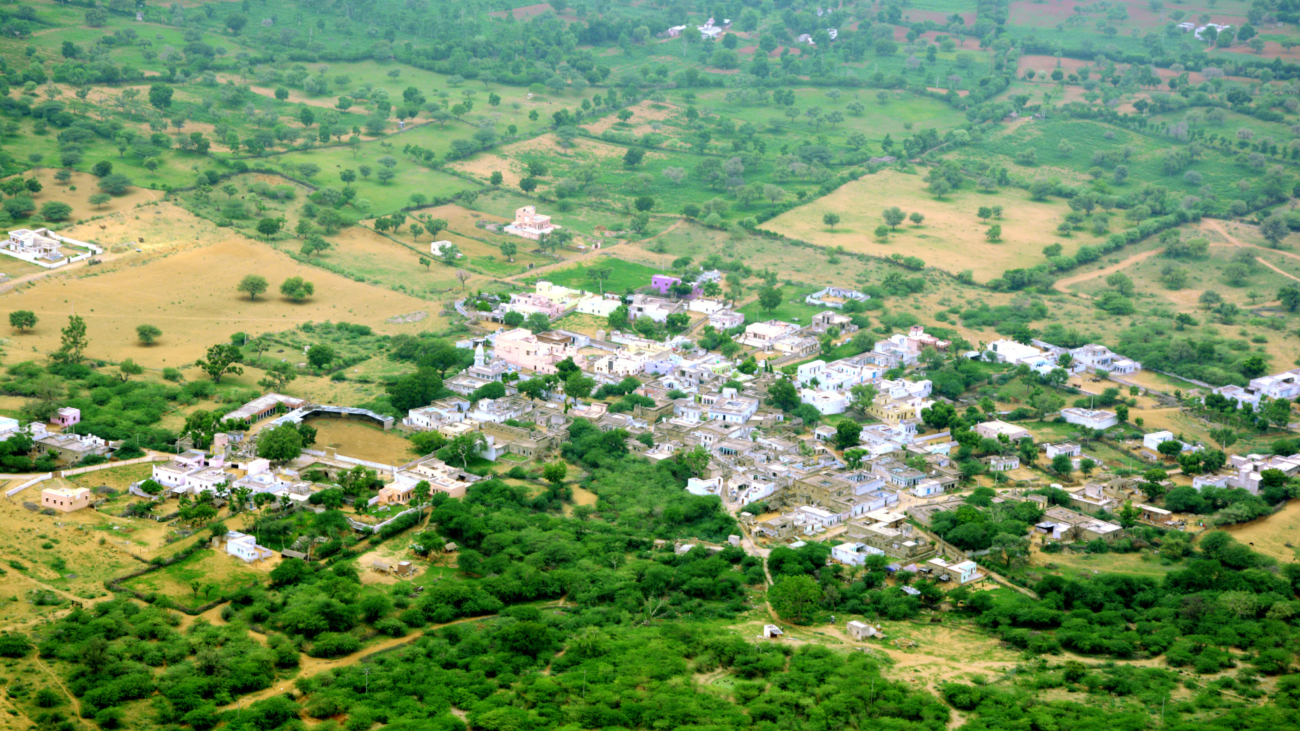
Bageshwar: A Complete Travel Guide to the Sacred Confluence of Kumaon
Where two rivers meet, an ancient Shiva temple stands, and the road to the glaciers begins.
Most travellers rush past Bageshwar on their way to Kausani or the high Himalayas, and that is exactly why it feels so authentic. Tucked into the Katyur valley of Kumaon at the meeting point of the Saryu and Gomti rivers, Bageshwar is a town of temple bells, river mist, and mountain stories. It is a place where pilgrims, trekkers, and slow travellers all find something to love.
If you want to experience the real Kumaon, away from the crowds and the souvenir stalls, Bageshwar is a wonderful place to begin.
A Little About Bageshwar
The name Bageshwar is linked to the legend of Lord Shiva taking the form of a tiger (bagh) at this very spot, which is why the town is dedicated to Vyaghreshwar, the Lord of Tigers. The Bagnath Temple, which stands at the confluence of the two rivers, is traditionally said to have been built in the 15th century under the Chand dynasty, although the site itself is far older in belief.
The region was once part of the Katyuri kingdom, and the valley still carries traces of that history in its old temples, stone carvings, and village traditions. Today, Bageshwar is the district headquarters and an important gateway to the Pindari, Kafni, and Sunderdhunga glacier treks.
Best Time to Visit
March to June (Summer): Pleasant days and clear skies. This is a great time for sightseeing and the start of the trekking season.
July to September (Monsoon): Lush, green, and dramatic, but rain can trigger landslides and block roads. Trekking is generally not recommended during these months.
October to November (Autumn): Crisp air, clear mountain views, and excellent conditions for both treks and temple visits. One of the best times to go.
December to February (Winter): Cold and quiet. January is special because of the famous Uttarayani Mela, held around Makar Sankranti.
How to Reach Bageshwar
By road: Bageshwar is connected by road to Almora, Kausani, Haldwani, and Delhi. From Almora, the drive takes roughly two and a half to three hours through winding hill roads, while the journey from Haldwani or Kathgodam usually takes around six hours depending on traffic and road conditions.
By train: The nearest railway station is Kathgodam, from where you can hire a taxi or take a bus or shared cab to Bageshwar.
By air: Pantnagar Airport is the nearest airport, but it is a long drive from there, so most travellers combine a train or road journey with a taxi ride.
Tip: Mountain roads are slow, so start early and plan for stops. Always check weather and road updates in the monsoon and winter.
Top Places to See in Bageshwar
1. Bagnath Temple
The spiritual heart of the town, this Shiva temple sits right beside the confluence of the Saryu and Gomti. Visit in the early morning, when the river is calm and the temple bells echo across the valley, or in the evening when the aarti draws devotees. Please dress modestly and follow temple rules.
2. Sangam (Saryu-Gomti Confluence)
The meeting point of the two rivers is a peaceful place to sit, reflect, and watch the water. It also holds deep ritual importance, and pilgrims come here for prayers and ceremonies.
3. Uttarayani Mela
If your trip falls in January, don’t miss this historic fair. Held around Makar Sankranti, it brings together villagers, traders, folk singers, and pilgrims from across Kumaon. Expect folk music, handicrafts, local food, and a lively cultural atmosphere.
4. Baijnath Temple Complex
About 20 to 25 km from Bageshwar, near Garur, this cluster of Katyuri-era stone temples stands beside the Gomti river. The carvings are elegant and the setting is calm, making it a beautiful stop for history and architecture lovers.
5. Chandika Temple and Bhairavnath Temple
Smaller temples in and around the town offer lovely views and a glimpse into everyday religious life. They are great for a short walk or an evening visit.
6. Kausani (about 40 km)
Often described as the “Switzerland of India”, Kausani is famous for its wide Himalayan panorama, tea gardens, and pine-covered hills. It is an easy and rewarding day trip, or an overnight stop on the way to or from Bageshwar.
7. Pindari Glacier Trek
Bageshwar is the main base for one of Kumaon’s most loved treks. The trail begins near Song or Loharkhet and winds through villages, rhododendron forests, and river valleys, ending at the Pindari Glacier’s snout. It is considered a moderate trek suitable for first-time Himalayan hikers who are reasonably fit. The best seasons are spring and autumn.
8. Kafni and Sunderdhunga Glacier Treks
For more adventurous travellers, these treks lead to remote glaciers and dramatic high-altitude landscapes. Both are tougher than Pindari and are best done with a registered guide.
Day Trips and Nearby Stops
Garur and Baijnath (about 20 to 25 km): A quiet valley stop with ancient temples and a river setting.
Kausani (about 40 km): For sunrise views, tea estates, and the old Anasakti Ashram associated with Mahatma Gandhi’s stay.
Kapkot and the Saryu valley: A scenic drive along the river, with small villages, terraced fields, and slow mountain life.
Almora (about 70 to 90 km): A natural pairing, since the two towns together give you culture, temples, and viewpoints in a single trip.
What to Eat in Bageshwar
Food here is simple, hearty, and made for the mountains. Look out for:
- Aloo ke Gutke: Spiced potatoes tempered with local herbs, often served with rice or roti.
- Bhatt ki Churkani: A thick, protein-rich black soybean curry.
- Jhangora ki Kheer: A comforting dessert made from hill millet.
- Mandua (finger millet) rotis: A traditional staple, especially warming in winter.
- Singori and Bal Mithai: Famous Kumaoni sweets, found across the region.
- Hot chai and pakoras: Perfect for a chilly evening beside the river.
Local Culture and What to Buy
Bageshwar is a place where traditions are lived rather than staged. You may see folk songs and dances during festivals, women in traditional attire, and handicrafts made from local materials. Consider picking up:
- Woollen shawls and caps: Warm, handmade, and ideal for the mountain weather.
- Local handicrafts and wooden items: Small, meaningful souvenirs that support artisans.
- Organic pulses and spices: Grown in nearby villages and widely available in local shops.
Where to Stay
Accommodation in Bageshwar town is mostly simple and budget-friendly, with guesthouses and basic hotels that are clean and comfortable. For a more scenic stay, look at homestays and guesthouses in nearby villages and in Kausani. If you are planning the Pindari trek, you will find basic lodges and village stays along the route, but it is wise to book through a reliable local operator.
Tip: During festivals like Uttarayani Mela, rooms fill up quickly, so book well in advance.
Practical Travel Tips
- Plan for long drives. Roads are winding, so travel in daylight and keep some buffer time.
- Pack for variable weather. Carry layers, a rain jacket, and good walking shoes, whatever the season.
- Carry cash. ATMs and digital payments can be unreliable in smaller villages.
- Hire a registered guide for treks. It improves safety and supports the local economy.
- Acclimatise sensibly. Don’t rush the high-altitude sections of a trek.
- Respect sacred spaces. Dress modestly, remove footwear where required, and ask before photographing rituals.
- Keep the valley clean. Avoid plastic and carry your waste back with you.
- Check road and weather conditions. Landslides are common in the monsoon.
A Suggested 3-Day Itinerary
Day 1: Arrive in Bageshwar and check in. Visit Bagnath Temple and the Sangam, take an evening walk along the river, and try local Kumaoni food for dinner.
Day 2: Drive to Baijnath and Garur in the morning, then continue to Kausani for sunset views over the Himalayas.
Day 3: Wake early for the Kausani sunrise, enjoy a leisurely breakfast, and head back or onward to Almora.
For trekkers: Add four to six extra days to attempt the Pindari Glacier trek, starting from Bageshwar.
Final Thoughts
Bageshwar doesn’t shout for attention. It simply offers a calm confluence of faith, nature, and mountain life. Come here to hear the river, walk the temple steps, and set out on a trail that leads toward the snow. Whether you stay for a day or a week, you will leave with a quieter mind and a stronger love for the hills.
Happy travels!