
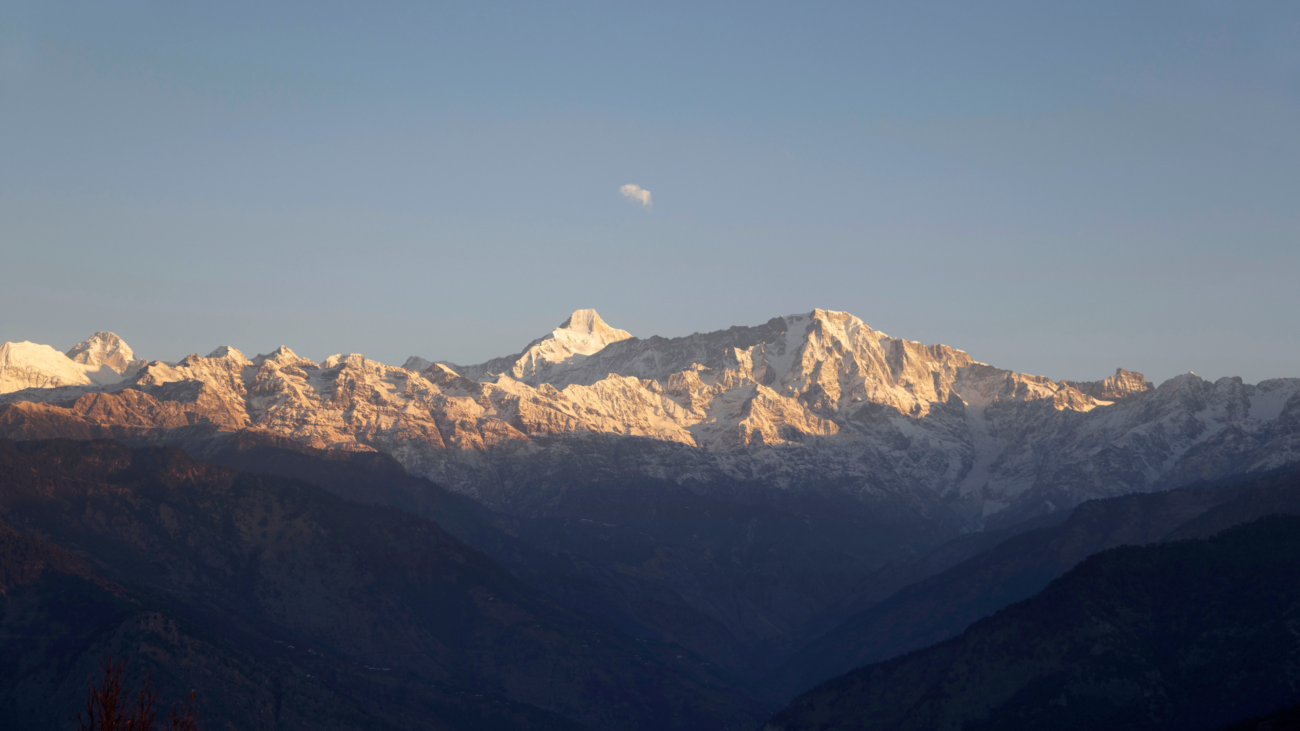
Chamoli: A Complete Travel Guide to the Land of Flowers, Temples, and Snow Peaks
Home to Badrinath, Auli, the Valley of Flowers, and some of the most dramatic mountain landscapes in India.
If there is one district in Uttarakhand that packs the whole Himalayan experience into a single journey, it is Chamoli. Here, sacred rivers meet at ancient confluences, pilgrim trails climb towards high shrines, ski slopes shine in winter, and an entire valley bursts into bloom every monsoon. Whether you travel as a pilgrim, a trekker, an adventurer, or simply someone who loves big mountains, Chamoli has a trail made for you.
Located in the Garhwal region, with Gopeshwar as its headquarters, Chamoli is also the birthplace of the Chipko Movement, where villagers, led by women, hugged trees to protect their forests. That spirit of respect for nature still runs through the district today.
A Little About Chamoli
Chamoli stretches from the lower foothills to some of the highest peaks in the country, including the Nanda Devi massif. The district is dotted with sacred sites. Badrinath, one of the four Char Dham shrines, draws pilgrims from across India, while Hemkund Sahib, high above Ghangaria, is a major Sikh pilgrimage site.
The district is also known for its Panch Prayag, the five holy river confluences of the Alaknanda, three of which lie in Chamoli: Vishnuprayag, Nandprayag, and Karnaprayag. Add in the old traditions of Bhotia communities in the high villages, and you get a region rich in both nature and culture.
Best Time to Visit
April to June (Summer): The main pilgrimage and sightseeing season. Roads and shrines open, days are pleasant, and views are clear.
July to September (Monsoon): The Valley of Flowers is at its most spectacular, usually peaking in July and August, but heavy rain brings landslides and road closures. Plan with flexibility.
October to November (Autumn): Crisp air and crystal-clear mountain views. Good for sightseeing, though higher shrines begin to close towards the end of the season.
December to March (Winter): Cold, snowy, and magical. Auli becomes a winter sports destination, while Badrinath and Hemkund Sahib remain closed under snow.
How to Reach Chamoli
By road: Chamoli is connected to Rishikesh, Haridwar, and Dehradun via the Rishikesh-Badrinath highway. From Rishikesh, Joshimath is roughly 250 km away, and the drive usually takes eight to ten hours depending on traffic and road conditions.
By train: The nearest major railway stations are Rishikesh and Haridwar. From there, taxis, shared cabs, and buses run to Chamoli, Joshimath, and Badrinath.
By air: Jolly Grant Airport in Dehradun is the closest airport. From there, it is a long road journey into the mountains, so many travellers break the trip with an overnight stop.
Tip: Mountain roads here are narrow and landslide-prone. Start early, keep buffer time, and always check road and weather updates before travelling, especially in the monsoon.
Top Places to See in Chamoli
1. Badrinath
Situated at about 3,100 metres beside the Alaknanda river, Badrinath is one of India’s most revered pilgrimage sites. The temple is open only for part of the year, typically from spring to late autumn. Dress warmly, as even in summer the mornings are cold.
2. Mana Village
Just a few kilometres beyond Badrinath, Mana is often described as the last Indian village before the Tibet border. Nearby you will find Vyas Gufa, Bhim Pul, and the beautiful Vasudhara Falls trail. The village is also known for its woollen products and warm hospitality.
3. Joshimath
A winter seat of Badrinath’s deity and an important base for travellers heading to Badrinath, Auli, and Valley of Flowers. The town holds the Narsingh Temple and the Jyotirmath, one of the four maths founded by Adi Shankaracharya. Joshimath has faced land subsidence issues in recent years, so check current local conditions before planning a stay.
4. Auli
Perched at around 2,500 to 3,000 metres, Auli is famous for its snow slopes, apple orchards, and panoramic views of Nanda Devi and other peaks. You can reach it by road or by the Joshimath-Auli cable car, one of the longest in Asia. Winter brings skiing, while summer offers meadows, trekking, and calm walks.
5. Valley of Flowers National Park
A UNESCO World Heritage Site, this high-altitude valley blooms with hundreds of wildflower species during the monsoon. The trek begins from Govindghat and Ghangaria, and the valley itself is open for a limited season, generally from June to October. It is a gentle but rewarding trek, suitable for most reasonably fit travellers.
6. Hemkund Sahib
At about 4,300 metres, this is one of the highest Gurudwaras in the world, set beside a glacial lake and ringed by snow peaks. The climb from Ghangaria is steep, so pace yourself and carry rain protection.
7. Panch Prayag: Vishnuprayag, Nandprayag, and Karnaprayag
These sacred confluences along the Alaknanda are stops of both beauty and spiritual significance. Each has its own legends and small temples, and they are easy to visit while driving along the highway.
8. Gopeshwar and the Gopinath Temple
The headquarters town is home to the ancient Gopinath Temple, notable for its stone architecture and a famous iron trident standing in the courtyard.
Treks and Adventure
Roopkund Trek: A famous high-altitude trek, known for a glacial lake that holds ancient skeletal remains. It is challenging and requires good fitness, a registered guide, and up-to-date permit information, as rules in this region change from time to time.
Bedni Bugyal and Ali Bugyal: Among the finest high-altitude meadows in India, offering wide, green slopes and dramatic views of Trishul and Nanda Ghunti.
Valley of Flowers and Hemkund Sahib: A combined trek that is among the most popular in Uttarakhand.
Skiing in Auli: In winter, beginners and intermediate skiers can try the slopes with professional instructors.
Nearby Stops and Day Trips
Gwaldam: A quiet hill town with tea gardens and views of the Himalayas.
Gairsain: A scenic town that serves as Uttarakhand’s summer capital, set among rolling hills and meadows.
Chopta and Tungnath: Just beyond the district’s borders, these are lovely stops for mountain meadows and the highest Shiva temple in the world.
What to Eat in Chamoli
Garhwali food is simple, hearty, and built for the mountains. Try:
- Kafuli: A thick green curry made of spinach and fenugreek leaves.
- Phaanu: A protein-rich lentil dish prepared with soaked pulses.
- Chainsoo: Black gram dal ground and slow-cooked in an iron pot.
- Jhangora ki Kheer: A comforting sweet made from hill millet.
- Mandua rotis: Finger millet bread, especially warming in cold weather.
- Arsa and Roat: Traditional festive sweets made of rice flour and jaggery.
- Hot chai with pakoras: The perfect companion for a chilly mountain evening.
Local Culture and What to Buy
Chamoli’s culture blends Garhwali traditions with Bhotia heritage from the high valleys. You may hear folk songs, see traditional dress, and join local festivals. Look out for:
- Woollen shawls, caps, and socks: Handmade and widely available in Mana, Joshimath, and Badrinath.
- Local handicrafts: Small wooden and woven items from village artisans.
- Organic spices, honey, and pulses: Produced in mountain villages and sold in local markets.
- Prasad and souvenirs from temples: Popular keepsakes from pilgrimage sites.
Where to Stay
Chamoli offers everything from basic dharamshalas and budget guesthouses to comfortable mid-range hotels and mountain resorts. Badrinath, Joshimath, and Auli have the widest choices, while Ghangaria has simple lodges and a gurudwara for pilgrims and trekkers. For a peaceful experience, consider a homestay in a village such as Mana or Gwaldam.
Tip: During the Char Dham season and in peak summer, book rooms well in advance, as accommodation fills up fast.
Practical Travel Tips
- Plan for long drives. Mountain roads are slow, so allow extra time and travel in daylight.
- Pack for all weather. Carry warm layers, a rain jacket, sturdy shoes, and sun protection even in summer.
- Acclimatise sensibly. Badrinath, Hemkund Sahib, and high treks sit at significant altitude, so rest, hydrate, and avoid rushing.
- Carry cash. ATMs and digital payments can be unreliable in remote areas.
- Check opening dates and permits. Shrines, national parks, and treks follow seasonal schedules and local rules.
- Hire registered guides for treks. It improves safety and supports local livelihoods.
- Respect sacred and ecological spaces. Avoid plastic, follow temple customs, and stay on marked trails.
- Watch the weather and road alerts. Landslides and sudden closures are common in the monsoon.
A Suggested 4-Day Itinerary
Day 1: Drive from Rishikesh towards Joshimath, stopping at Karnaprayag and Nandprayag along the way. Overnight in Joshimath.
Day 2: Visit Badrinath and Mana village. Return to Joshimath for the night.
Day 3: Spend the day in Auli, enjoying cable-car views, meadows, or snow depending on the season.
Day 4: Drive to Govindghat and begin the trek to Ghangaria for the Valley of Flowers and Hemkund Sahib, or begin your journey back.
For trekkers: Add extra days for Valley of Flowers, Hemkund Sahib, Bedni Bugyal, or Roopkund.
Final Thoughts
Chamoli is the kind of place that stays with you long after you have returned home: the sound of the Alaknanda below a mountain road, the smell of incense drifting from a temple, a meadow stretching to the snow line. Come with respect, travel slowly, and let the mountains set the pace.
Happy travels!