Pithoragarh: A Complete Travel Guide to the Little Kashmir of Uttarakhand
Green valleys, Himalayan giants, ancient forts, and the road that leads to Adi Kailash.
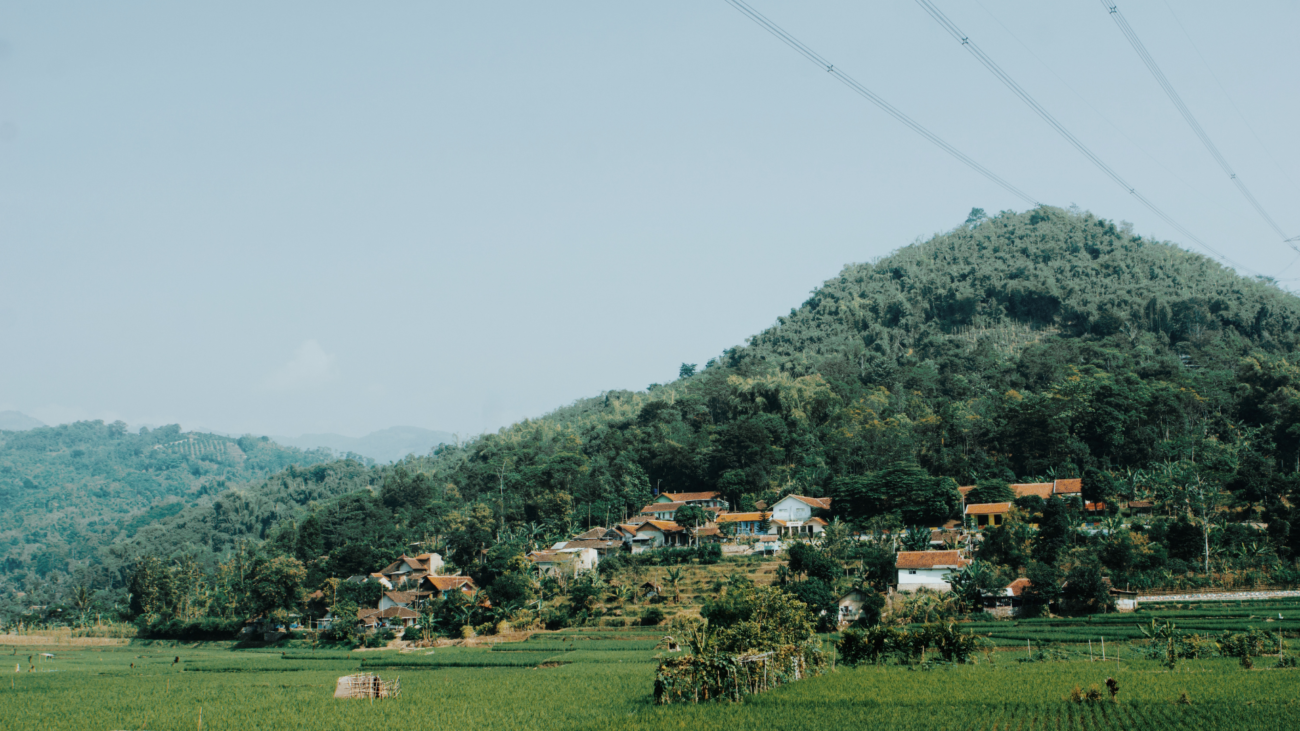
Pithoragarh sits quietly on the eastern edge of Uttarakhand, where Kumaon meets Nepal and Tibet. Often called “Little Kashmir” or “Mini Kashmir” for its lush Soar valley and snow-capped backdrop, it is one of the most beautiful and least crowded hill destinations in the state. This is a place for travellers who want mountain views without the traffic, culture without the staging, and adventure without losing the warmth of village life.
Whether you are planning a peaceful family holiday, a photography trip, or a journey toward the high Himalayas, Pithoragarh is a rewarding base.
A Little About Pithoragarh
Pithoragarh lies at around 1,650 metres in a bowl-shaped valley surrounded by green ridges. The town has long been a crossroads between plains, hills, and the Himalayan borderlands. Its history includes the Chand dynasty and later the Gorkha period, whose influence is still visible in the old fort overlooking the town.
The district is also home to rich and varied communities, including the Johari and Shauka traders of the high valleys, whose trade and weaving traditions shaped life on the old Tibet route. Today, Pithoragarh is the gateway to Munsiyari, Dharchula, the Panchachuli peaks, and the sacred Adi Kailash and Om Parvat region.
Best Time to Visit
March to June (Summer): Pleasant and clear, with blooming rhododendrons in spring and comfortable temperatures for sightseeing and treks.
July to September (Monsoon): Deep green scenery, waterfalls, and mist, but heavy rain often triggers landslides on mountain roads. Travel only with flexible plans.
October to November (Autumn): Crystal-clear skies and the best Himalayan views. This is widely considered the finest season to visit.
December to February (Winter): Cold and quiet. Higher places like Munsiyari and Chaukori can see snowfall, and the views on a clear morning are outstanding.
How to Reach Pithoragarh
By road: Pithoragarh is connected to Almora, Haldwani, Tanakpur, and Delhi by road. From Haldwani or Kathgodam, the drive typically takes eight to ten hours depending on route and conditions. Delhi is roughly 480 km away.
By train: The nearest railheads are Tanakpur and Kathgodam. From either, you can take a taxi or bus to Pithoragarh.
By air: Pithoragarh has a small airstrip at Naini Saini, but flights are limited and subject to change. Pantnagar is the more reliable major airport, followed by a long road journey.
Tip: Mountain roads are slow and winding. Start early, keep buffer time, and check weather and road conditions before travelling, especially in the monsoon.
Top Places to See in Pithoragarh
1. Pithoragarh Fort (Leban Gorkha Fort)
Built by the Gorkhas in the late 18th century, this hilltop fort overlooks the town and the Soar valley. The climb is short, and the reward is a wide view of rooftops, terraced fields, and distant ridges.
2. Chandak Hill
A short drive from town, Chandak offers lovely sunset views and a calm forest setting. It is a favourite for evening walks and photography.
3. Mostamanu Temple
Set on a hill about 6 km from town, this temple is dedicated to Mostamanu Devta and offers sweeping views of the valley. It is a peaceful spot for prayer and quiet reflection.
4. Thal Kedar Temple
Around 17 km from Pithoragarh, this Shiva temple sits among pine and deodar trees and is surrounded by quiet hills. The setting is serene, and the short trek to reach it is part of the charm.
5. Dhwaj Temple
Perched on a ridge, this temple is dedicated to Lord Shiva and is a good place to enjoy sunrise views of the Himalayan peaks on a clear morning.
6. Kapileshwar Mahadev Cave Temple
A small natural cave temple within the town area, this is an interesting stop that blends faith with local legend.
7. Patal Bhuvaneshwar
On the way towards Gangolihat, roughly 90 km from Pithoragarh, this limestone cave temple is one of the most famous sacred caves in Uttarakhand. Narrow passages lead deep underground to formations that devotees associate with many deities. The visit is memorable but involves a steep descent, so go with a guide and wear comfortable shoes.
8. Askot Musk Deer Sanctuary
About 50 km away, this sanctuary protects rare Himalayan wildlife and offers forest trails, birdwatching, and mountain scenery for nature lovers.
Day Trips and Onward Journeys
Munsiyari (around 125 km): A stunning village at the foot of the Panchachuli range, known as a base for treks and for its dramatic mountain views. It is also a centre of Johari culture and woollen crafts.
Chaukori (around 100 km): A peaceful village with wide Himalayan views, tea gardens, and quiet walks. It is a lovely overnight stop.
Berinag: Known for its tea gardens and temples, Berinag offers clear views of the mountains and a gentle, laid-back atmosphere.
Jauljibi: The meeting point of the Kali and Gori rivers, famous for its traditional fair held each November, where traders and villagers from the border valleys gather.
Dharchula and the Adi Kailash route: Dharchula is the main gateway for the high-altitude journey to Gunji, Adi Kailash, and Om Parvat. This route requires permits and usually has a limited season, so check current rules and plan well in advance.
What to Eat in Pithoragarh
Kumaoni food here is hearty, simple, and perfectly suited to the climate. Try:
- Aloo ke Gutke: Spiced potatoes tempered with local herbs, often served with rotis.
- Bhatt ki Churkani and Gahat ki Dal: Protein-rich mountain pulses cooked slowly with simple spices.
- Mandua rotis: Finger millet bread that is warming and nutritious in cold weather.
- Jhangora ki Kheer: A sweet dessert made from hill millet.
- Singori and Bal Mithai: Classic Kumaoni sweets found in local shops.
- Hot chai with pakoras: The best companion on a misty evening.
Local Culture and What to Buy
Pithoragarh’s border-valley communities have a distinct identity, with traditions of weaving, trade, and folk music that are still alive today. Look out for:
- Woollen shawls, caps, and carpets: Handwoven in the Johar tradition and especially popular in Munsiyari.
- Local handicrafts: Wooden and woven items that make meaningful souvenirs.
- Organic spices and pulses: Grown in nearby villages and widely available.
If you are visiting during a local fair or festival, you will also get a chance to enjoy folk music, dance, and traditional food.
Where to Stay
Pithoragarh town offers a good range of budget and mid-range hotels, with several options that have valley views. For a more peaceful stay, choose a homestay in surrounding villages or in Chaukori and Munsiyari. Along trekking routes, expect simple lodges and village stays, which are best arranged through reliable local operators.
Tip: In peak season and during festivals, book your stay in advance, especially in Munsiyari and Chaukori.
Practical Travel Tips
- Allow extra time. Distances look short on the map but take longer on winding hill roads.
- Carry layers. Mornings and evenings are cool even in summer, and winters can be very cold.
- Keep cash handy. ATMs and digital payments can be unreliable in remote areas.
- Check permits. Areas near the border, including the Adi Kailash route, need permits and have specific rules.
- Hire registered guides for treks. It improves safety and supports local families.
- Respect sacred spaces. Dress modestly, follow temple customs, and ask before photographing rituals.
- Protect the environment. Avoid plastic, carry your waste back, and stay on marked trails.
- Watch the weather. Landslides are common in the monsoon, so build flexibility into your plans.
A Suggested 3-Day Itinerary
Day 1: Arrive in Pithoragarh and check in. Visit the fort, Chandak Hill for sunset, and enjoy a Kumaoni dinner in town.
Day 2: Head to Mostamanu Temple and Thal Kedar in the morning, then drive towards Chaukori or Berinag for an overnight stay with mountain views.
Day 3: Enjoy a clear sunrise, then continue to Munsiyari if time allows, or return towards Pithoragarh with a stop at Patal Bhuvaneshwar if the route suits you.
For adventurers: Add extra days to explore Munsiyari treks or, with permits and planning, the Dharchula and Adi Kailash route.
Final Thoughts
Pithoragarh isn’t a place you tick off a list. It is a place you sink into: morning mist over the Soar valley, temple bells in the distance, and snow peaks turning gold at first light. Come with time, travel slowly, and the district will reward you with some of the most authentic mountain experiences in Uttarakhand.
Happy travels!