
How to Choose Safe Crochet Toys for Babies and Toddlers

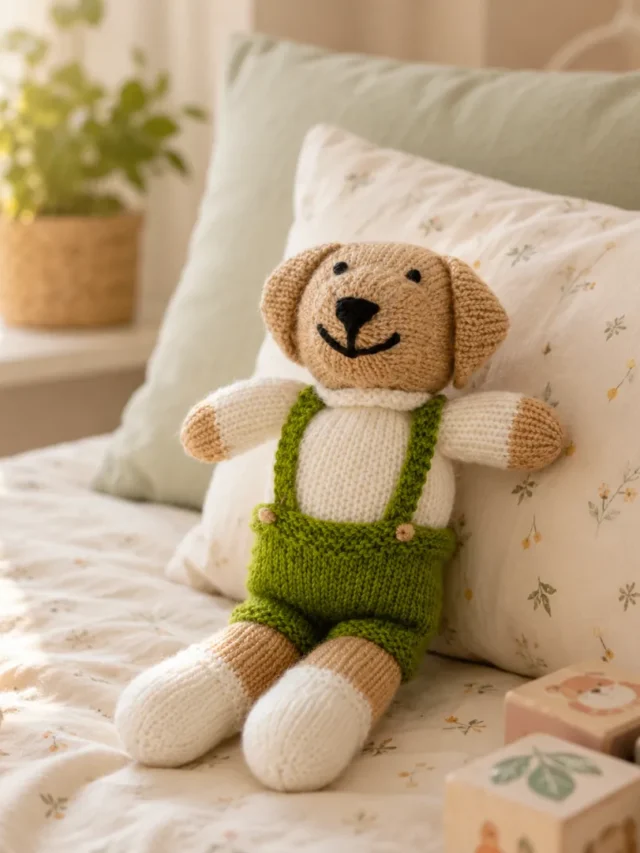
Crochet Toys: There’s something special about a handmade crochet toy. The soft texture, the little imperfections that make each one unique, and the care in every stitch all make it feel more personal than anything off a store shelf. It’s no wonder crochet animals and dolls are such popular gifts for new babies.
But handmade doesn’t automatically mean safe. Babies and toddlers explore the world with their hands and mouths, so a toy that looks adorable can still be risky if it’s made with the wrong materials or put together carelessly.
The good news is that a well-made crochet toy can be a safe, lovely companion for your little one. This guide walks you through what to look for, from yarn and stitching to size and care, with a simple checklist at the end you can use before you buy.
Why Safety Matters with Handmade Toys
Babies and toddlers put nearly everything in their mouths, and they pull, twist, and chew with surprising strength. That means every detail matters, from the yarn to how the eyes are attached.
Mass-produced toys go through standardized testing before they reach stores. Handmade toys may not always be tested the same way, so it falls to the maker, and to you as the buyer, to pay close attention. The most common risks are:
- Choking hazards from small parts that detach
- Loose stuffing escaping through gaps in the stitching
- Strangulation risks from long strings, ribbons, or dangling pieces
Skilled makers know all this and design with it in mind. Once you know what to look for, you can spot those toys easily.
Choose the Right Yarn
Yarn is the foundation of any crochet toy, and it touches your baby’s skin and mouth, so it’s worth getting right.
Best choices: Cotton and bamboo yarns are popular for baby toys because they’re soft, breathable, and gentle on sensitive skin. Soft acrylic yarns labeled as baby-safe are also widely used, and they’re often easier to wash and dry.
Look for certifications. Labels such as OEKO-TEX Standard 100 indicate the yarn has been tested for harmful substances. Not every maker uses certified yarn, but it’s a good sign when they do, and a fair thing to ask about.
Avoid fuzzy or shedding yarns. Mohair, some novelty yarns, and heavily brushed fibers can shed tiny fibers that end up in little mouths. Smooth, tightly spun yarns are the safer option.
Think about allergies. If your baby has sensitive skin or allergies, choose hypoallergenic fibers and avoid wool unless you know your child tolerates it.
Check the dyes. Quality yarn should be colorfast and made with non-toxic dyes, so color doesn’t transfer to your baby’s mouth or skin when the toy gets damp.
Check How Features Are Attached
This is one of the most important safety checks. Eyes, noses, and other details are common weak points in many handmade toys.
Embroidered features are the safest. For babies and children under 3, embroidered eyes, noses, and mouths are the best choice. They’re stitched directly into the toy so that nothing can be pulled off.
Safety eyes have limits. Plastic safety eyes lock in place with a washer at the back, and when properly installed, they’re quite secure. Still, a determined toddler can sometimes work them loose, which is why many makers and safety guidelines recommend embroidered eyes for the youngest children.
Skip the extras. For babies and toddlers, avoid buttons, beads, bells, sequins, and any sewn-on accessories. They can come off and become choking hazards.
Do the tug test. Whether you’re shopping in person or inspecting a toy that arrives in the mail, tug firmly on every part, including eyes, ears, noses, and limbs. Nothing should shift, loosen, or come away.
Look at Stitch Quality and Construction
A toy’s construction tells you a lot about how safe and durable it will be.
Tight, dense stitches. Good toy makers crochet with a smaller hook than the yarn label suggests, creating a firm fabric with no gaps. This keeps stuffing safely inside and prevents little fingers from poking through.
No gaps or loose spots. Hold the toy up to the light and look closely. You shouldn’t see stuffing peeking through, and the seams should look even and secure.
Woven-in ends. Tuck and secure yarn tails inside the toy; don’t leave them dangling or loosely knotted on the outside.
Strong joins. Arms, legs, ears, and tails should be firmly attached, ideally stitched on with multiple passes of yarn. Toddlers love to pull these parts.
Consider the Stuffing and Filling
What’s inside matters as much as what’s outside.
Polyester fiberfill is the most common filling. It’s soft, lightweight, hypoallergenic for most children, and holds up well in the wash.
Natural fillings like cotton or wool are available, but they can be a concern for children with allergies and may take longer to dry after washing.
Avoid pellets and beans. Weighted toys filled with plastic pellets or dried beans are not suitable for babies and toddlers. If the toy ever tears, these small pieces can spill out and become a serious hazard.
Check for firmness. The stuffing should be even and firm, with no lumps or hollow patches. Overstuffed toys look neater and keep their shape longer.
Pick the Right Size and Shape
Size is a safety feature.
Go bigger than the mouth. A toy for a baby or toddler should be too large to fit entirely in the mouth and have no small removable pieces. A good rule of thumb is to avoid anything that could pass through a toilet paper tube.
Avoid long, dangling parts. Long ribbons, strings, scarves, and very long limbs can wrap around a baby’s neck or fingers. Short, compact designs are safer.
Think lightweight and easy to grip. Little hands need something they can hold and carry comfortably.
Keep it simple for newborns. Rounded, simple shapes without lots of fiddly details are ideal for the very youngest babies.
Match the Toy to Your Child’s Age
Different ages call for different designs.
- Newborns to 12 months: Small, simple, soft toys with no detachable parts and only embroidered features.
- 1 to 3 years: Slightly sturdier toys with a bit more detail, but still no small, removable pieces.
- Over 3: Decorative features like safety eyes and small accessories become more appropriate, though supervision still matters.
Always follow the maker’s age recommendation. They know the specific design and how they built it.
Ask the Maker the Right Questions
If you’re buying from a small shop or online seller, don’t hesitate to ask questions. Responsible makers will be happy to answer. Consider asking:
- What yarn and filling do you use?
- Are the eyes embroidered or safety eyes?
- Is the toy made in a smoke-free and pet-free home?
- Do you follow safety standards, such as CPSIA in the US or EN71 in Europe?
A confident, transparent answer is a great sign.
Care and Ongoing Safety Checks
Safety doesn’t end when the toy comes home. Regular care keeps it clean and safe.
Washing: Follow the maker’s instructions. Most crochet toys can be hand washed or placed in a mesh bag and washed on a gentle cycle with cool water, then air-dried.
Inspect regularly. Check for loose threads, small holes, or worn seams. Pay particular attention to the eyes, limbs, and any joins.
Retire damaged toys. If a toy is coming apart, it’s time to say goodbye, or send it back to the maker for repair if they offer that service.
Quick Safety Checklist
Before you buy or hand over a crochet toy, run through this list:
- ✔ Made with soft, baby-safe yarn
- ✔ Embroidered features (for children under 3)
- ✔ No small or detachable parts
- ✔ Tight stitching and secure seams
- ✔ Age-appropriate size and shape
- ✔ Washable, with clear care instructions
Frequently Asked Questions
1. Are crochet toys safe for newborns?
Yes, as long as they have embroidered features, tight stitching, no small parts, and are made with soft, baby-safe yarn.
2. Are safety eyes safe for toddlers?
They’re generally secure when properly locked, but embroidered eyes are the safest choice for children under 3.
3. Can crochet toys be washed in a washing machine?
Most can, in a mesh bag on a gentle cycle with cool water. Always check the maker’s care instructions first.
4. What is the safest yarn for baby toys?
Cotton and bamboo are popular for their softness and breathability. Soft, non-shedding acrylic is also common and easy to care for.
5. Do handmade toys need safety testing?
Requirements vary by country. In the US, toys designed for children 12 and under must meet CPSIA requirements. Ask the maker about compliance and which standards they follow.
6. How often should I check my child’s crochet toy?
Look it over before each play session if you can, and at least once a week for loose threads, holes, or worn seams.
Final Thoughts
Choosing a safe crochet toy comes down to a few simple things: baby-friendly materials, secure construction, and a design that suits your child’s age. When you know what to look for, you can enjoy everything handmade toys offer, including softness, charm, and love in every stitch, with real peace of mind.
Ready to find a toy that’s as safe as it is sweet? Browse our handmade crochet collection, or reach out with any questions about materials or custom orders. We’re always happy to help.