
Bridal Pashmina Shawl—Luxurious Wedding Wrap

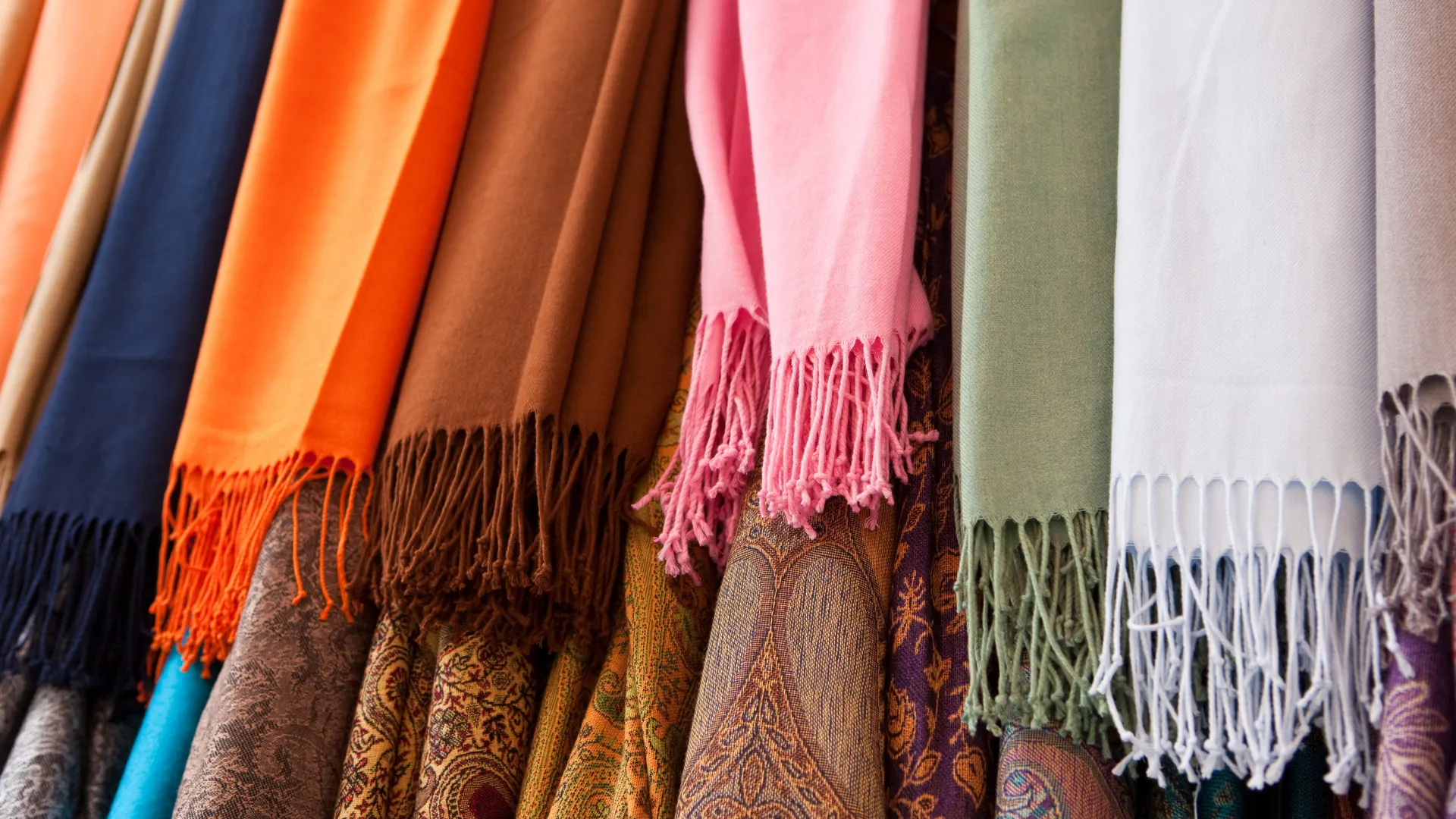
Pashmina shawl: A wedding day asks a lot of what you wear: it has to look beautiful in photographs, feel comfortable for hours, and carry some meaning. A bridal pashmina shawl does all three. Soft, light and warm, it drapes over a lehenga, saree or gown like a second layer of elegance, and unlike most bridal pieces it keeps being useful for decades. This guide explains what makes a pashmina bridal-worthy and how to choose one with confidence.
What Is Pashmina, and Why Is It Bridal Luxury?
Pashmina Shawl is the fine undercoat of the Changthangi goat, which lives at high altitude in the Himalayan region of Ladakh. The fiber is extremely thin, commonly cited at around 12 to 16 microns, which is why a real pashmina feels so soft against the skin and weighs so little despite its warmth.
Traditionally the fibre is hand-spun and then handwoven on a loom. Because the process is slow and the raw material is limited, a genuine pashmina has always been treated as a gift of value. In many families a shawl is passed from mother to daughter, which is exactly why it suits a wedding.
Why Choose a Pashmina Shawl for Your Wedding?
- Warmth without bulk. Winter weddings can be cold, especially for evening ceremonies and outdoor photographs. A pashmina keeps you warm without hiding your outfit.
- Graceful drape. The fabric falls softly over the shoulders and arms, so it flatters both traditional and modern outfits.
- A keepsake. Unlike a one-day accessory, a well-made shawl can be worn for years and handed down.
- A thoughtful gift. It is also a popular present from the bride’s or groom’s family or for the bridal party.
Choosing the Right Style
Plain and minimal
An ivory, cream or soft beige shawl in a plain weave is the most versatile choice. It pairs with heavily embroidered outfits without competing with them, and it works as an everyday wrap afterwards.
Embroidered pashmina
If you want the Pashmina Shawl itself to be a statement, look at hand embroidery. Fine needlework such as sozni, which is stitched entirely by hand, can take weeks or months on a single piece. Floral and paisley motifs along the border are a classic bridal choice. Some embroidered shawls are worked so that both sides look finished (often called do-rukha), which is a mark of careful craft and lets the wrap be worn either way.
Woven patterns
Traditional woven designs, such as kani, are created thread by thread on the loom rather than stitched afterwards. These are especially prized as heirloom pieces.
Colour
Ivory, champagne, blush pink, dusty rose and soft gold suit most bridal outfits. For a bolder look, deep burgundy, emerald or navy can look striking with a lighter outfit. If you plan to wear it again, choose a shade you already love in your wardrobe.
How to Style a Bridal Pashmina Shawl
- Over the shoulders for ceremonies and photographs: let both ends fall in front for a relaxed, elegant look.
- Draped across one arm with a saree or lehenga, so the outfit stays visible.
- Over the head as a light veil for a traditional moment, secured with a few pins.
- As an evening cover-up for the reception, when temperatures drop and you want something softer than a jacket.
Choose a size that suits your outfit. A larger shawl gives you more drape and warmth, while a narrower stole is easier to manage with a heavy dress.
How to Spot Genuine Pashmina
Many products sold as pashmina are blends or synthetics, so it pays to ask questions before you buy.
- Ask for the fibre composition. A trustworthy seller will say clearly whether the shawl is pure pashmina or a blend, and in what percentage.
- Ask about origin and certification. Genuine Kashmir pashmina can carry Geographical Indication (GI) labelling. Ask what documentation the seller can show.
- Check the feel. Real pashmina is soft and lightweight with a slight natural texture. Very shiny, slippery or perfectly uniform fabric can be a warning sign.
- Look for maker information. Brands that share where and by whom a piece was made are easier to trust.
- Beware of unusually low prices. Handspun and handwoven work takes time, and the price should reflect it.
Caring for Your Shawl
With good care, a pashmina can last for generations.
- Dry clean or hand wash gently in cool water with a mild wool or baby shampoo, and never wring it.
- Dry flat in the shade, away from direct sun and heat.
- Store folded in a breathable cotton or muslin cloth, not plastic, with natural moth repellents such as neem leaves or cedar.
- Avoid friction from rough jewellery and bag straps, which can cause pilling or snags.
- Take extra care with embroidery. Hand-embroidered shawls should be cleaned by a specialist and never rubbed on the stitched areas.
Frequently Asked Questions
Is a pashmina shawl warm enough for a winter wedding? Yes. Despite being light, pashmina insulates very well. For very cold venues, choose a larger or double-layered shawl.
Can I wear it after the wedding? Absolutely. This is one of its biggest advantages. A plain or lightly embroidered shawl suits everyday winter outfits as well.
Pure pashmina or a blend? Pure pashmina is softer and finer, while a blend can be more affordable and sometimes more durable. Either is fine as long as it is described honestly.
How much should I spend? Prices vary widely with fibre, weave and embroidery. Plain handwoven pieces cost far less than hand-embroidered or woven heirloom designs. Set a budget first, then compare quality within it.
Final Thoughts
A bridal pashmina shawl is more than an accessory. It is something soft to wear on one of the most important days of your life, and something lasting to keep afterwards. Choose a style that suits your outfit, confirm what the fibre really is, and care for it well, and it will remain a treasured part of your wardrobe for years to come.